.png?width=1387&height=800&name=Scout_Logo_RGB%20(1).png)

There’s something we’ve picked up in conversations lately. People know Scout Meetings for planning...
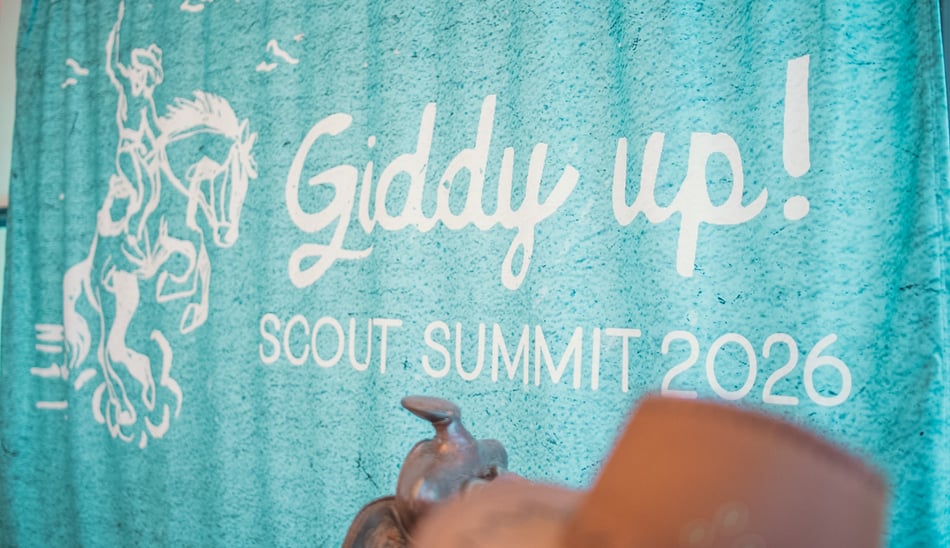
The Scout Summit returned for its second year this April, bringing Scout Clinical Project Managers, Business Development, leadership, and team members from across the organization together in Nashville.
After last year’s summit at Scout’s Dallas headquarters, the 2026 summit moved to Tennessee with a fitting theme: “Giddy up!” But the cowpoke details were only part of the story for an event where the deeper purpose was practical. Scout’s Project Managers needed time together to collaborate, share insights, and strengthen how the organization supports Sponsors, sites, and participants.
As we know, that kind of engagement doesn’t happen by accident.
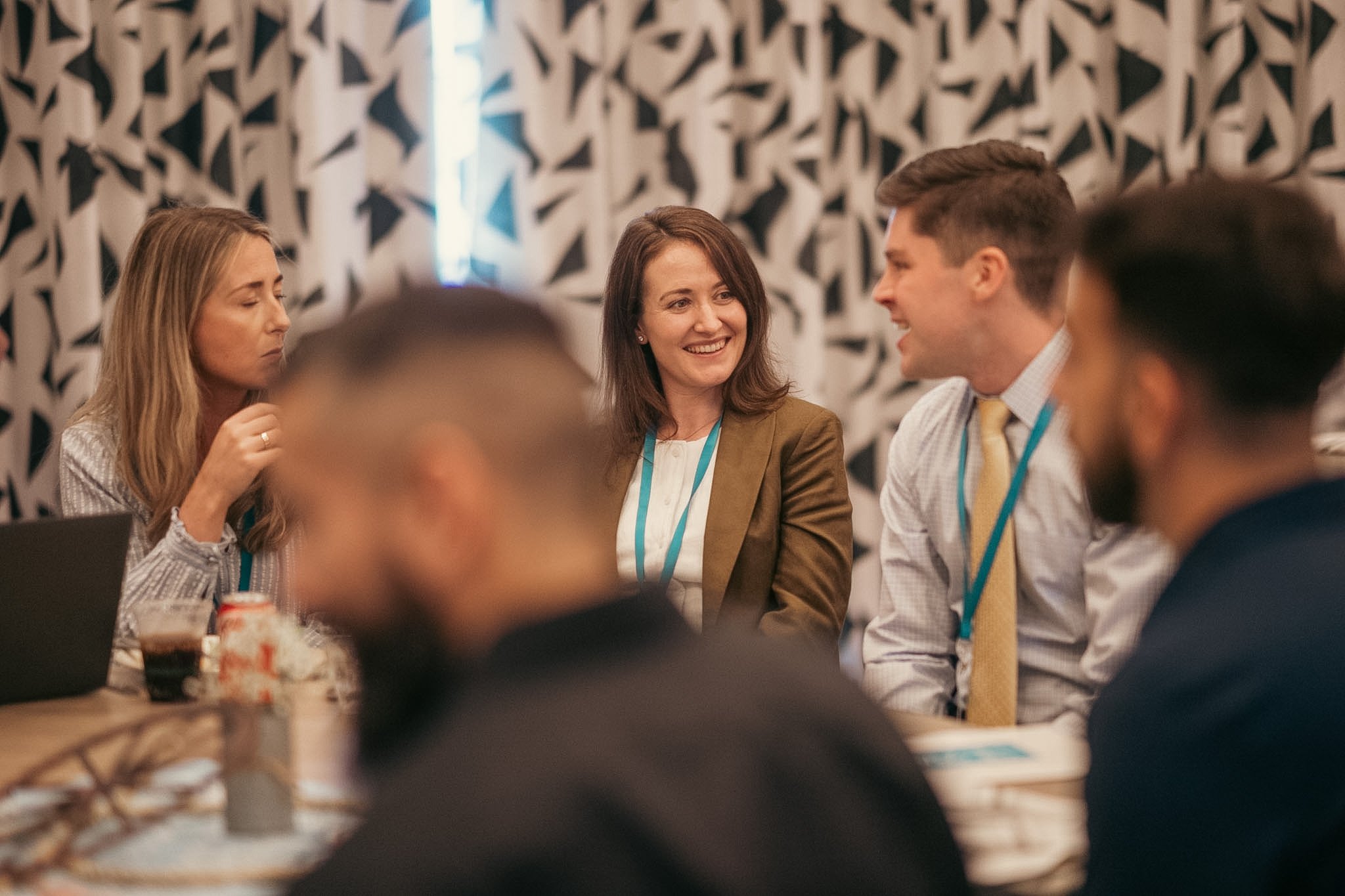
Engagement’s got to be planned
Led by Beatrice Godbold, the Scout Meetings team brought the same care and discipline they use for client meetings to Scout’s own internal summit. Even for a familiar audience, the planning challenge was business as usual: bring busy people together, remove avoidable friction, build a useful flow, and create the conditions for people to stay present once they’re in the room.
 For life sciences meetings, that kind of work is vital. Attendees often arrive with packed schedules, open questions, study pressure, travel fatigue, and work waiting for them back at their desks. A meeting can have the right agenda and still lose people if the experience around it feels confusing, generic, or hard to follow. Scout Meetings planned the summit around that reality.
Before attendees arrived in Nashville, the team handled the practical details that help a meeting start smoothly: registration, travel guidance, hotel information, arrival timing, expense instructions, attire notes, local details, and a clear schedule for the week. International and domestic arrivals were considered, and an on-site hospitality desk gave attendees a reliable place to ask questions and get support.
All of those thoughtful details change the way a life sciences meeting feels. When people know where to go, what to expect, and who to turn to, they can spend less energy sorting themselves out and more energy doing the work they came to do.
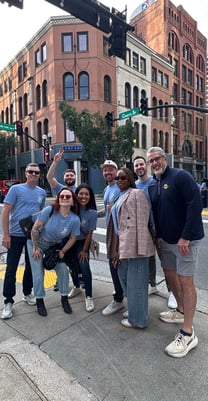
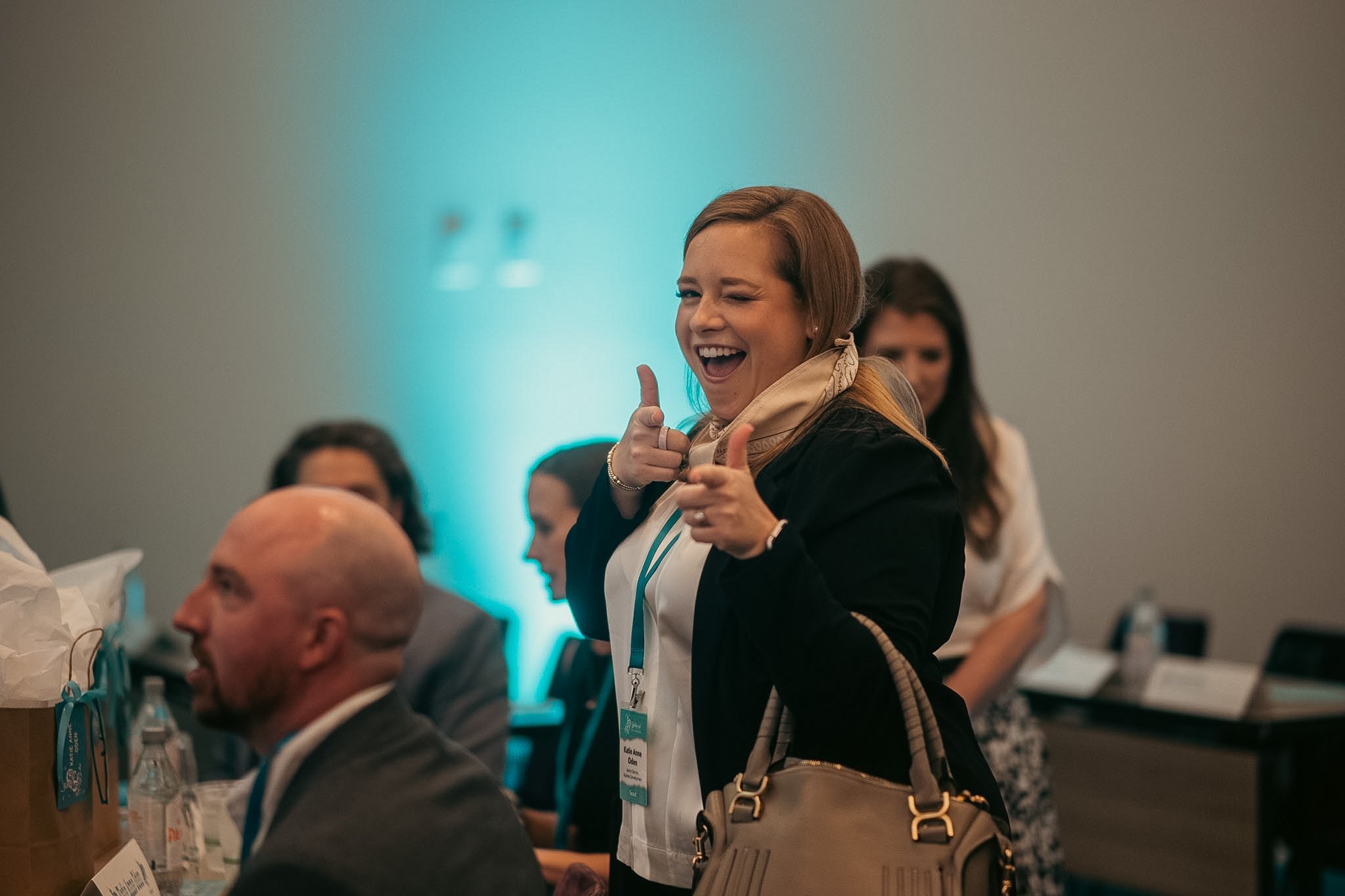
Across the summit, the agenda balanced focused meeting time with moments designed for connection. Attendees took part in working sessions, breakout discussions, updated headshots, team-building activities, a Nashville scavenger hunt, and off-site dinners at local venues including The Listening Room and Puckett’s.
The structure gave people more than just time in the same hotel ballroom. It gave them different ways to connect: in discussion, in smaller groups, around the city, and over shared experiences that made conversation easier.
That matters for groups like Scout’s Operations and Business Development teams. Project Managers see the day-to-day realities of study support up close. They know where participants need more clarity, where sites feel pressure, and where timelines can get complicated. BD hears what Sponsors are asking for before a study begins. Leadership sees patterns across the organization.
When those groups have time together, the conversation gets better. The people closest to the work can compare what they’re seeing with the people shaping what comes next.
The details do the work
The Scout Meetings team also made the summit feel specific to Nashville and specific to Scout. The vintage western theme carried through the event with turquoise pulled from the Scout logo, warm neutrals, denim textures, rope, bandanas, cowboy hats, custom badges, branded coasters, attendee bags, and “Giddy up!” summit artwork.
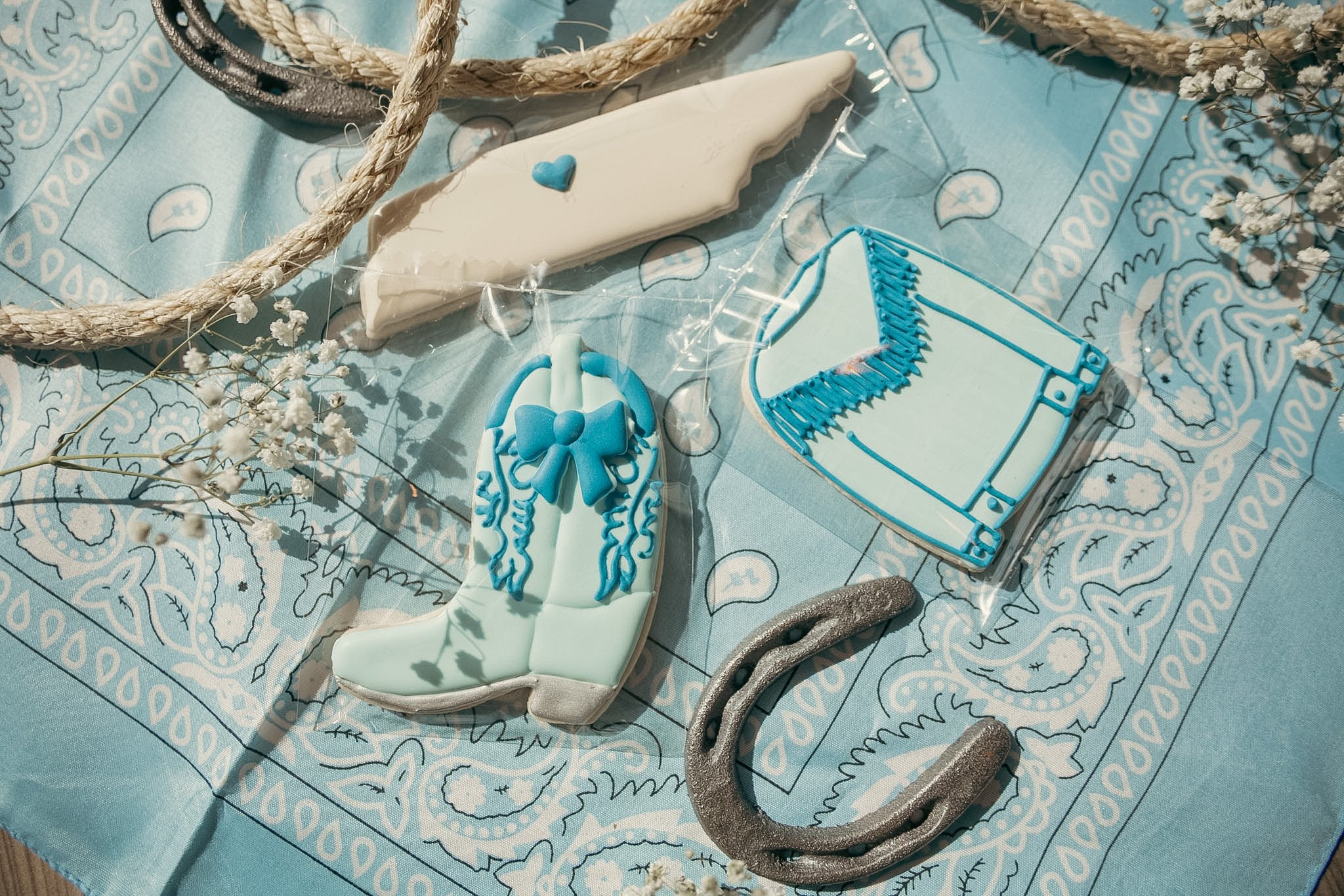
The room didn’t feel like a generic meeting space with Scout’s logo dropped in. It felt like people had been expected. It felt considered—because it very much was.
That’s part of strong meeting planning, too. A thoughtful environment signals that the time matters. It gives attendees a shared experience before the first session begins and helps turn a standard agenda into something people remember.
The same attention showed up in the personal touches: branded materials at each place setting, attendee gifts, photography, themed signage, and details that carried from registration through the final day. The whole summit felt coherent because the planning was cohesive first.
For external meetings, that level of care can shape how sponsors, sites, investigators, advisors, and internal teams experience the work. For an investigators’ meeting, strong planning can help sites feel prepared instead of overloaded. For an advisory board, it can create the conditions for honest discussion. For a training meeting, it can help information stick after people leave the room.
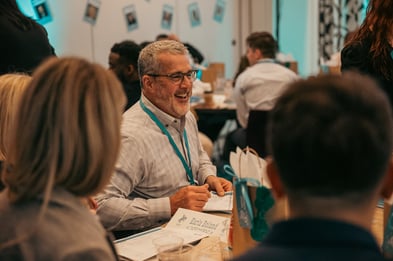
For Scout Summit 2026, it helped our Project Managers, BD, and leadership step back long enough to talk about that their work with shared context and a fresh perspective. This is the value of meeting engagement. It’s not forced fun. And it’s way bigger than decorations. It’s the planning that helps people understand why they are there, feel comfortable contributing, and leave with something they can use.
Scout Summit 2026 is a great example of what happens when meeting planning is treated as part of the outcome. With Beatrice and the Scout Meetings team leading the effort, the summit gave our teams a thoughtful, practical, and unmistakably Scout experience in Nashville—and a stronger foundation for the work they carry forward for Sponsors, sites, and participants.